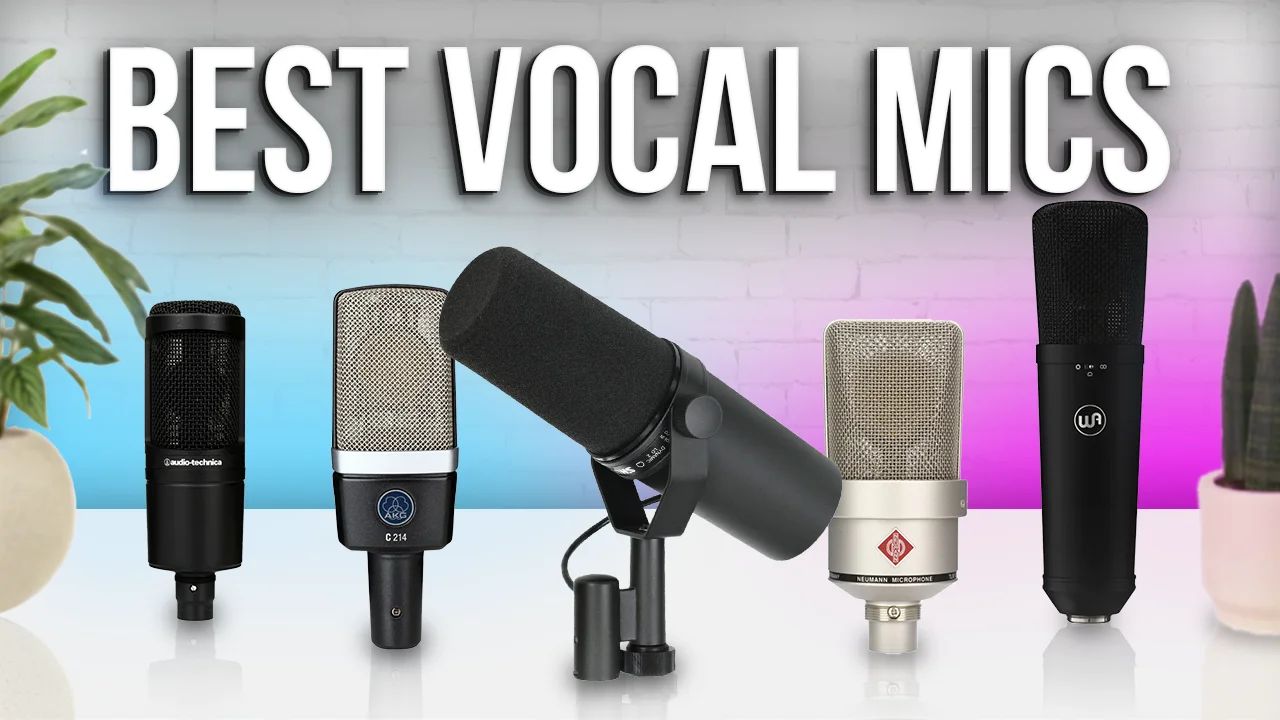
The Best Microphone for Vocals (My Mic Shootout + Ratings)
I tested the most popular vocal microphones head-to-head on my own voice. Here are my honest ratings and the two microphones I actually recommend.

Key Takeaways
- Test multiple microphones on your specific voice since different voices sound better with different mics
- The Shure SM7B and WA-87 are top performers for most vocal recording situations
- All mics in the 8+ rating range can produce professional, platinum-quality vocal recordings
- Dynamic mics work better in untreated rooms while condensers excel in controlled studio environments
- Your voice characteristics matter more than price when choosing the right vocal microphone
- Budget for a Cloudlifter with the SM7B since most interfaces can't provide enough clean gain
- Condenser mics with heavy high-end can make thin or harsh voices sound worse, not better
About a year ago, I set out with a challenge: find the best vocal microphone for my voice.
My plan was simple — grab a few popular mics, compare the results, and pick the best one for me.
I filmed the whole process, and you can watch it here:
The video goes into detail about what I think about most mics — what I like, what I don’t, what I recommend, and what I’d avoid.
But there’s still another piece of the puzzle: how do they actually sound while recording?
I also made a full video on this…
All the ideas in this article come from the video below. If you don't feel like reading, well, I gotchu.
Part of the Recording Vocals series — For the full picture, read my complete guide to recording vocals at home.
The mic shootout
To keep the video short, I didn’t include every vocal recording I did (there were a lot). If you want to compare the mics in more detail, here’s the full playlist of the vocal tests:
During these tests, I sang each song the same distance away from the microphone, in the same room, and tried to replicate my vocal performance as closely as possible.
It would be more accurate if I could record all microphones at once, but that comes with its own problems. These recordings were done one mic at a time, so there may be slight variances in performance.
Next time, I’ll do what I can to eliminate that and get as close of a comparison as possible — but this experiment still gave me a really solid idea of what works on my voice.
My ratings
Here’s how I’d rate each mic from this shootout:
| Microphone | Type | Sound Profile | Best For | Rating |
|---|---|---|---|---|
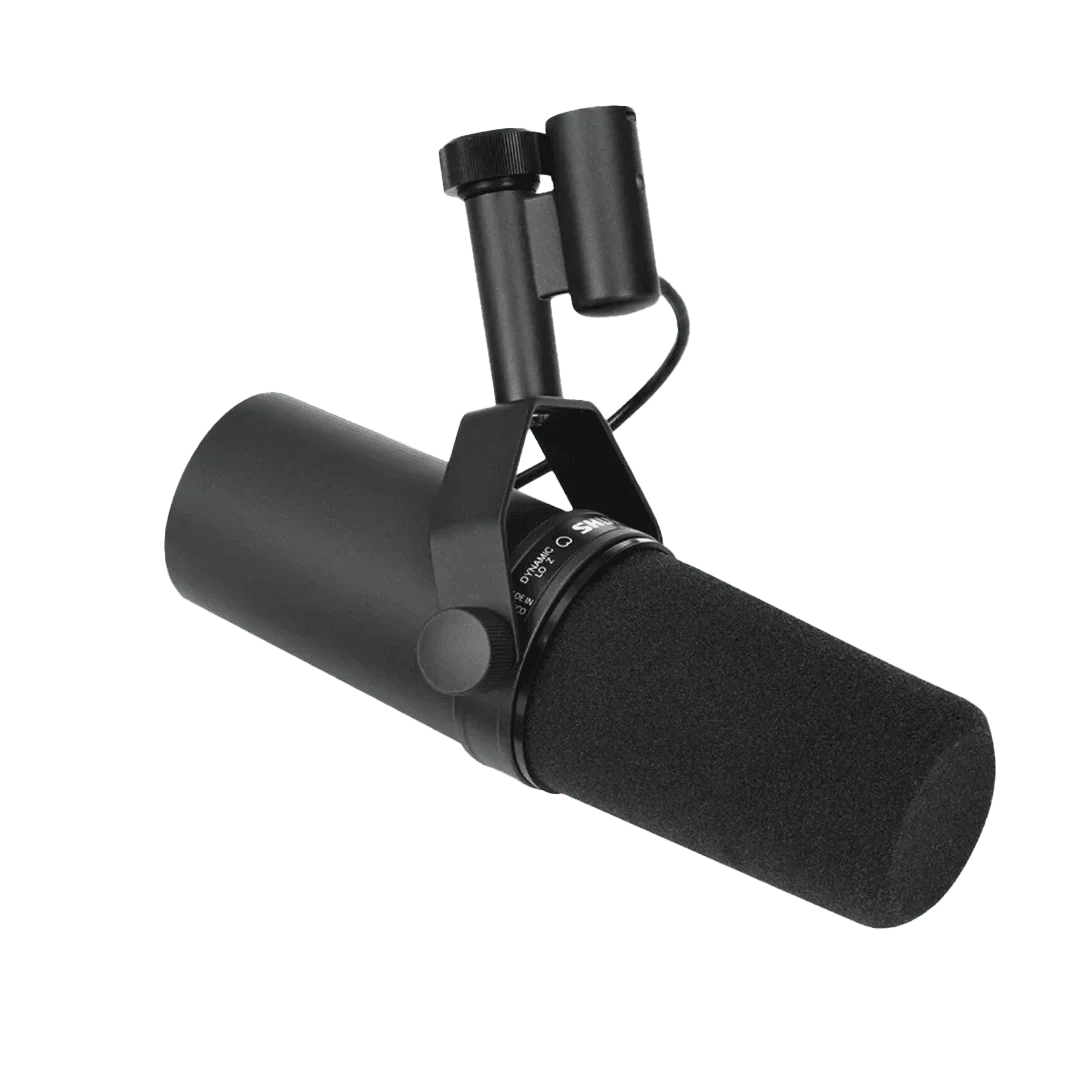 Shure SM7B Shure SM7B | Dynamic | Warm, thick/boomy | Studio vocals, untreated rooms, BG vocals | 9.4/10 |
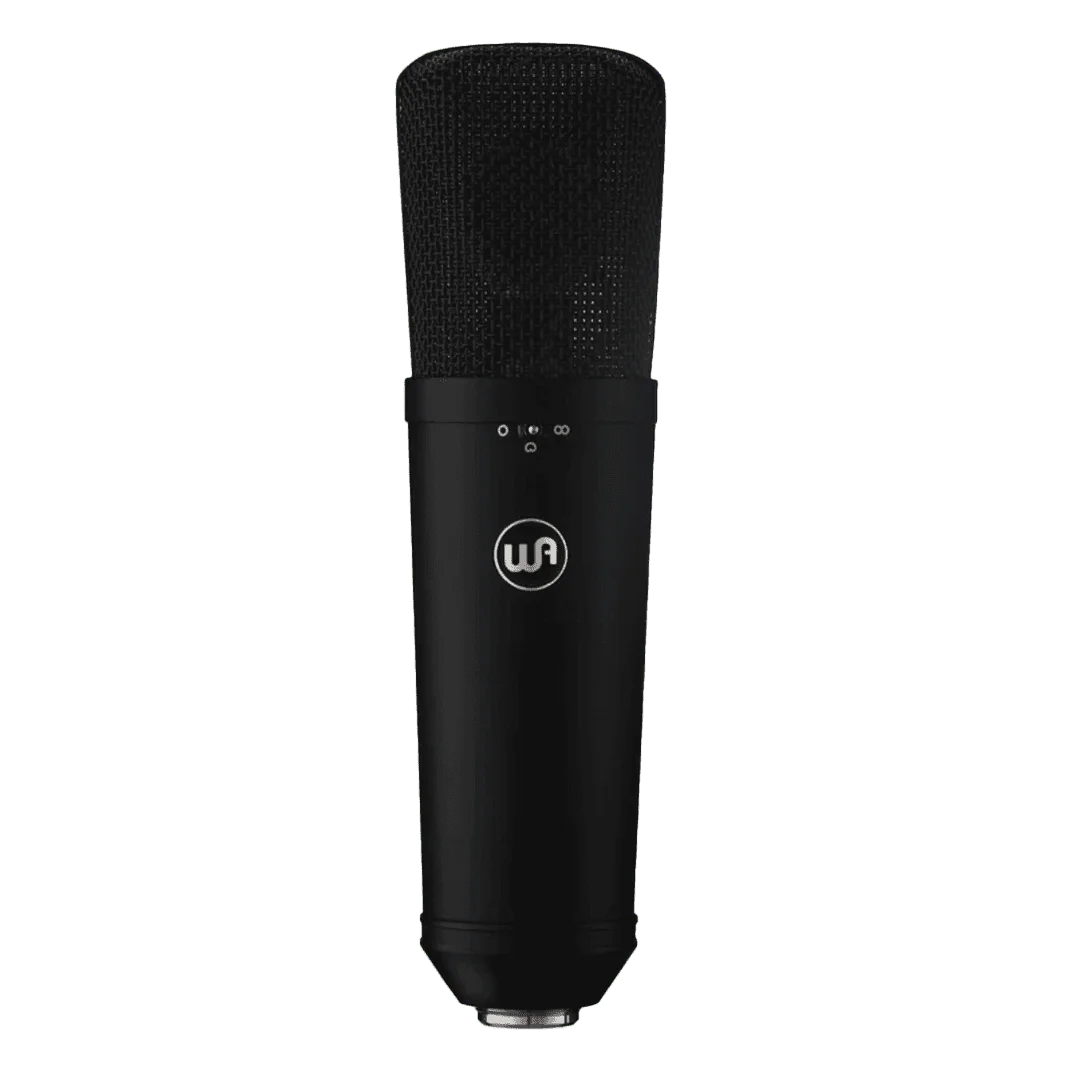 WA-87 WA-87 | Condenser | Midrange focus, vintage vocal sound | Works well with many sources | 9.2/10 |
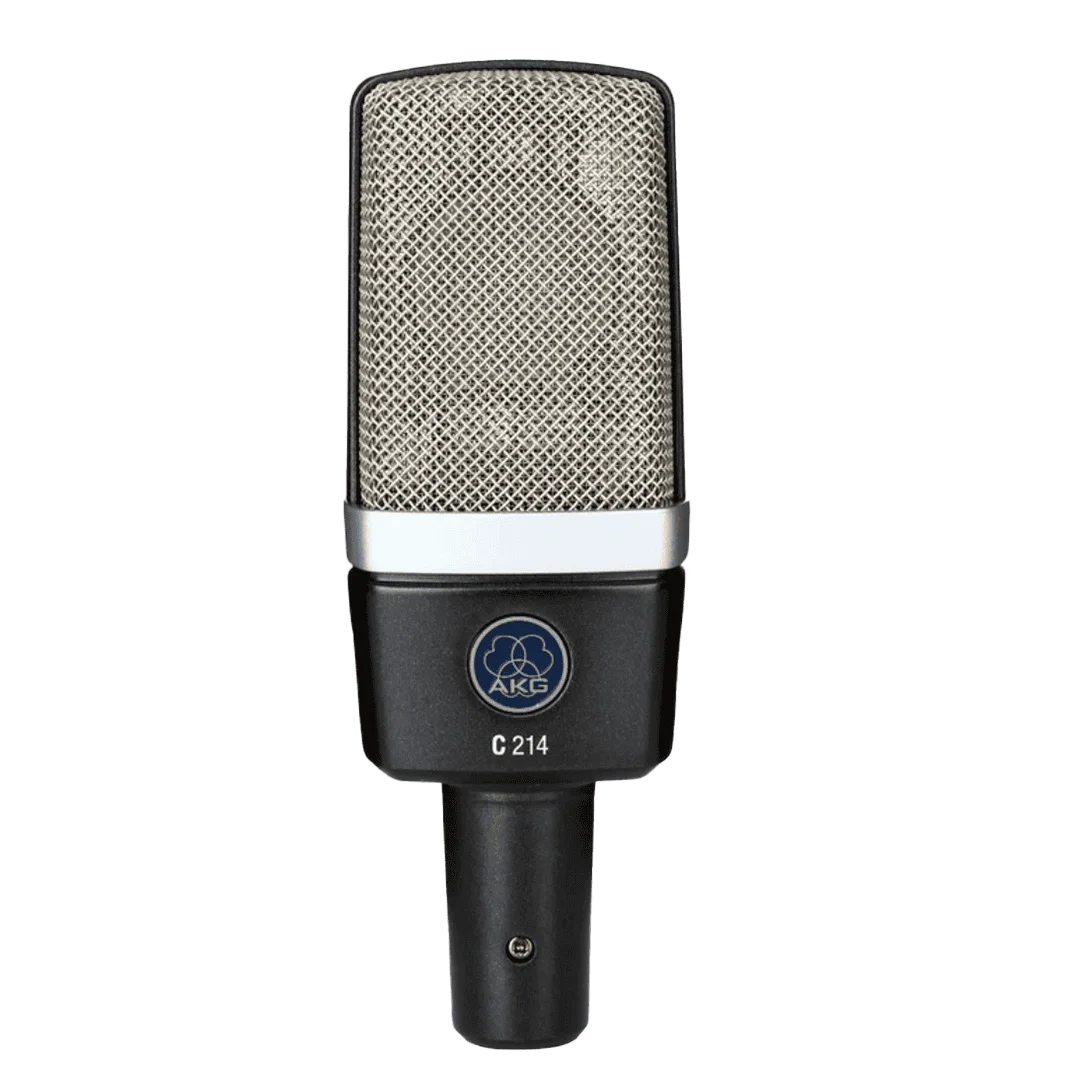 AKG C214 AKG C214 | Condenser | Well-balanced, clear | Extra clarity, clean recordings | 9.1/10 |
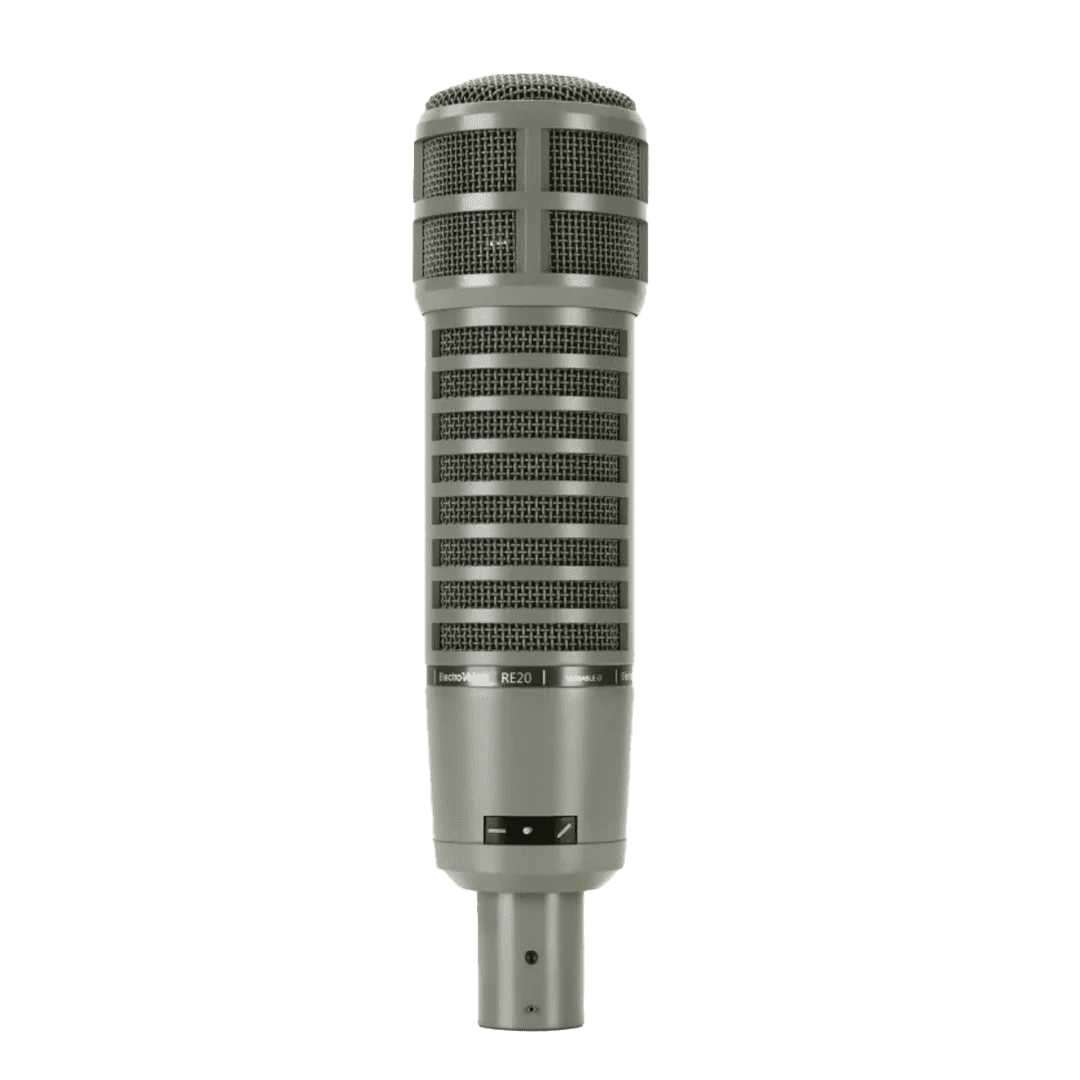 Electro-Voice RE20 Electro-Voice RE20 | Dynamic | Warm, crisper than other dynamics | Studio vocals, warm voices | 9.0/10 |
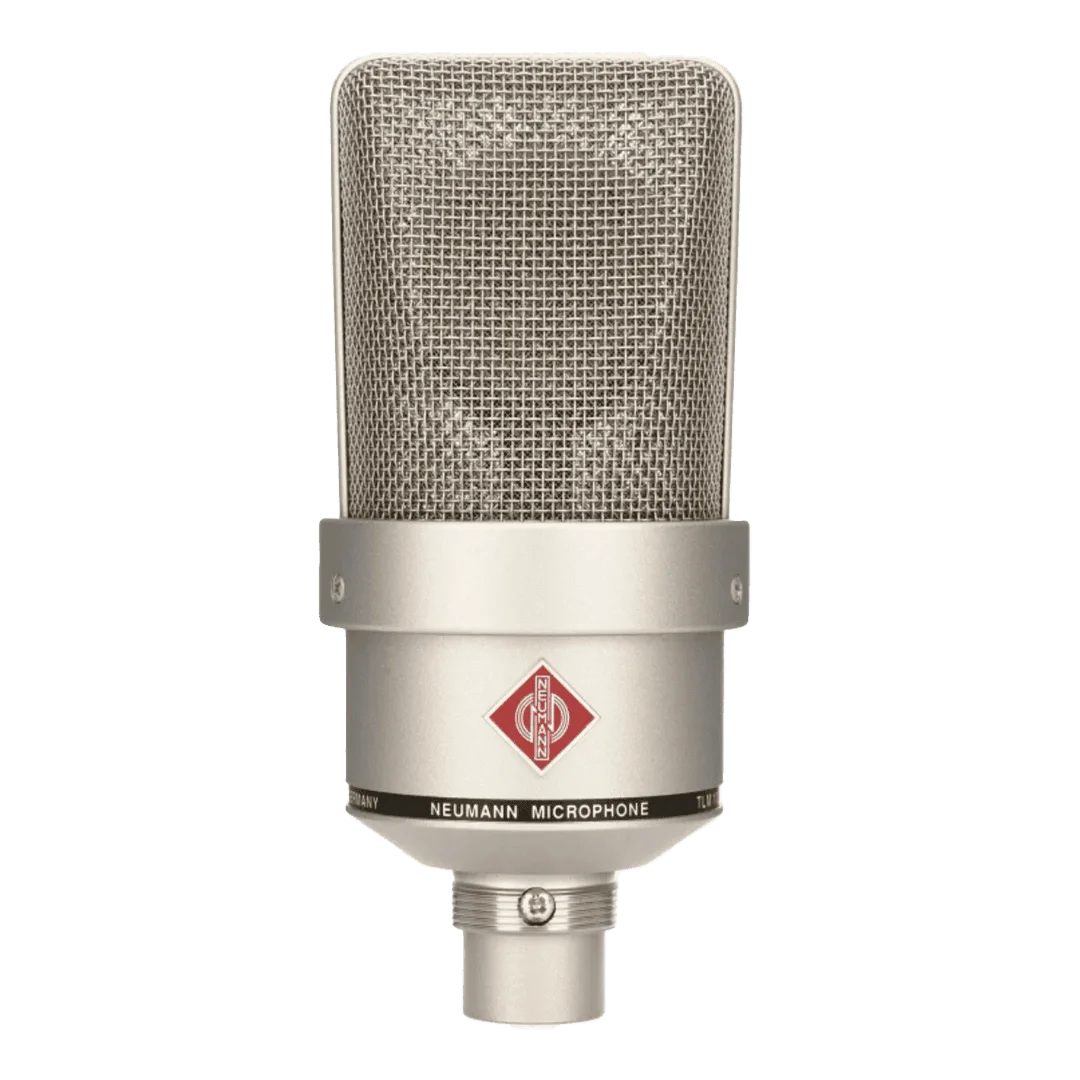 Neumann TLM 103 Neumann TLM 103 | Condenser | Detailed, airy high-end | Premium high-end shine | 8.9/10 |
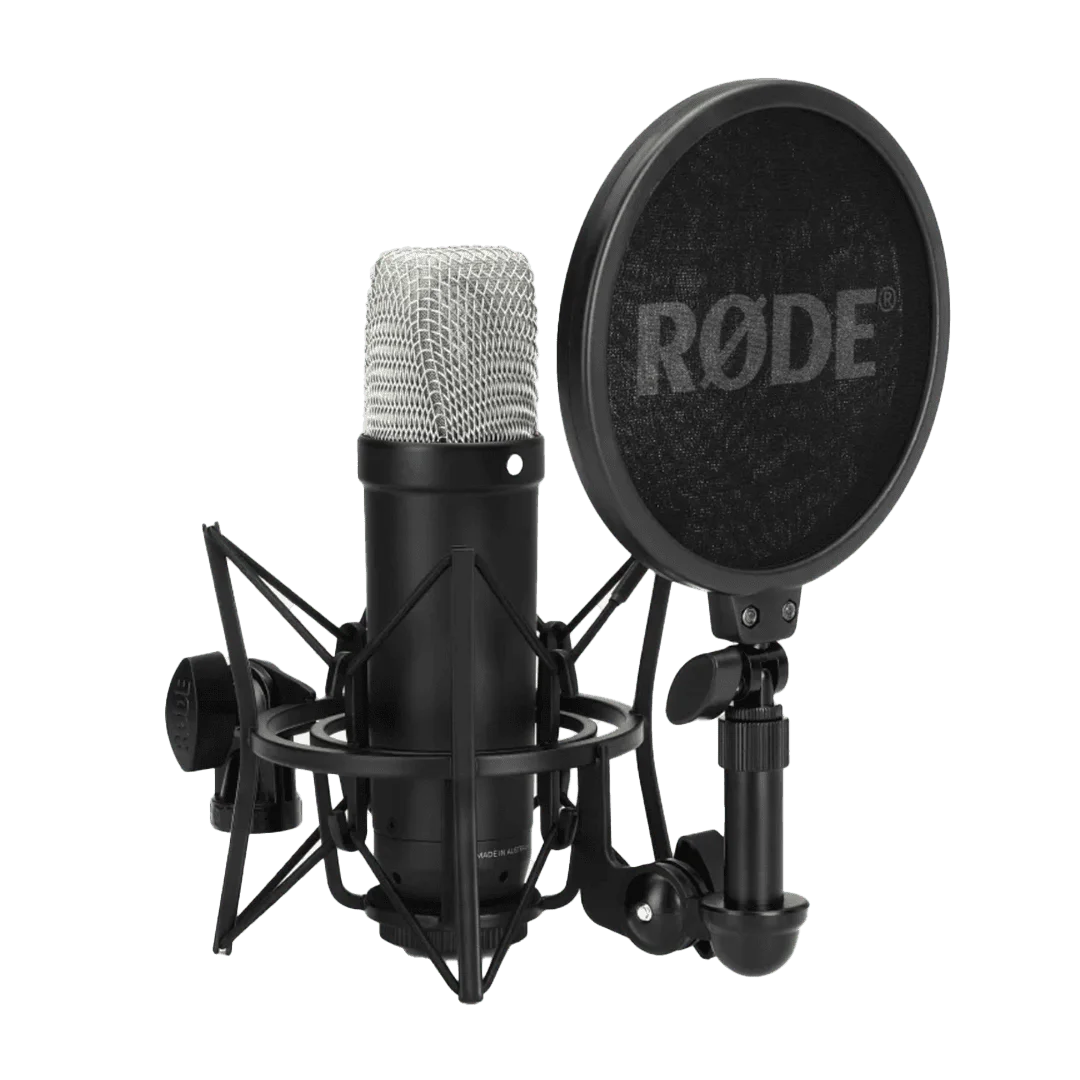 Rode NT1 (Gen 5) Rode NT1 (Gen 5) | Condenser | Very crisp high-end focus | Singers with deeper voices | 8.6/10 |
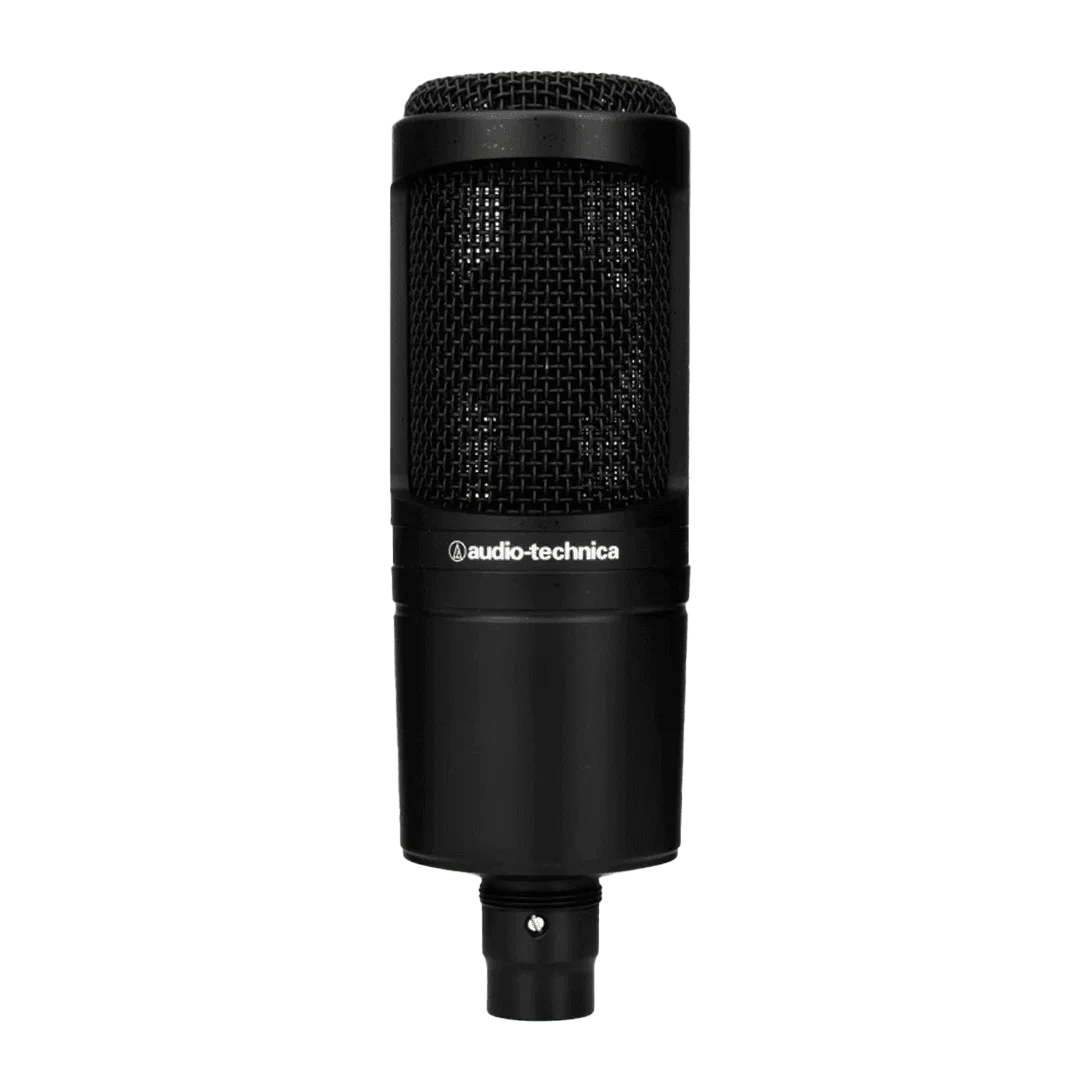 Audio-Technica AT2020 Audio-Technica AT2020 | Condenser | Clean, clear | Beginning studio vocalists | 8.4/10 |
 Shure SM58 Shure SM58 | Dynamic | Warm, boomy | Performances, untreated rooms | 7.9/10 |
The full breakdown, mic by mic
The table is the short version. Here’s what I actually heard from each microphone, why it got the rating it did, and who it’s for.
The Dynamic Trio: Built for the Real World
Let’s start with the workhorses — dynamic microphones that can handle anything you throw at them.
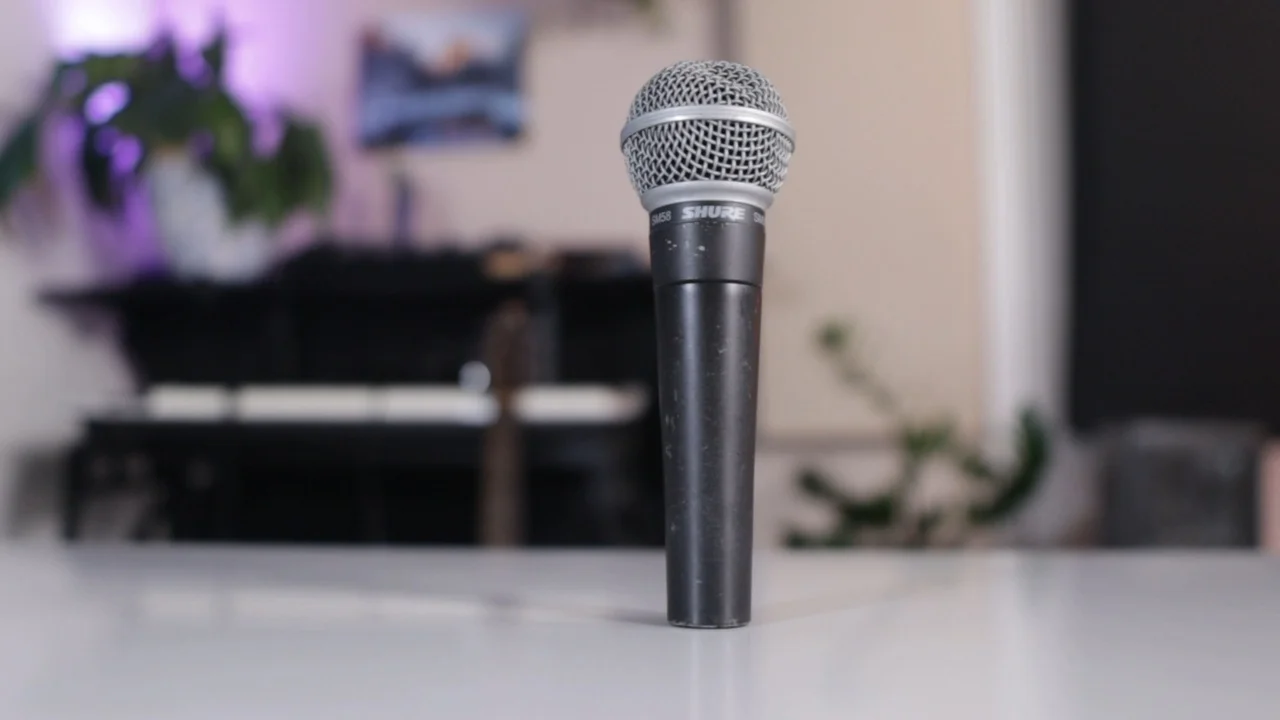
Shure SM58: The Indestructible Legend
The Shure SM58 is hands down the most iconic vocal microphone ever made.
If you’ve been to a live show, you’ve heard this mic. It’s been the industry standard for live vocals for decades, and there’s a damn good reason for that.
Price: Under $100 new (check current pricing — it fluctuates)
This thing is built like a tank. Seriously — I have four of them, and they’re all dented. Dropped your mic? Doesn’t matter. Even a crushed windscreen won’t stop this bad boy from delivering.
But the SM58 isn’t just tough — it’s perfect for untreated rooms. No acoustic panels? No problem. This mic naturally rejects room noise and focuses on what’s right in front of it.
The downside? It lacks the high-end sparkle that condenser mics bring to the table. It’s not ideal if you’re chasing that ultra-polished studio sound.
Sound characteristics:
- Warm, focused midrange
- Natural high-frequency roll-off
- Excellent off-axis rejection
- Minimal proximity effect issues
Here’s the thing about the SM58 — it’s not trying to be fancy. It just works. Every time.
Final rating: 7.9/10
Shure SM7B: The Studio Heavyweight
Think of the SM7B as the SM58’s sophisticated older brother who went to college and got a studio engineering degree.
Price: Around $400 (about $300 more than the SM58)
This silver beauty shares DNA with the SM58 but was designed specifically for studio work. You’ve probably seen it in podcast studios — it’s everywhere for a reason.
Why I love the SM7B:
- Warm sound profile — fantastic for adding body to thin voices
- Takes EQ and processing like a champ
- Perfect for singers who tend to yell or scream into the mic
- Excellent room noise rejection
I use this mic constantly. Even when I don’t track lead vocals on it, I record almost all my background vocals with the SM7B. That warm profile helps them sit perfectly in the mix.
The catch: This mic is gain hungry. Most budget audio interfaces can’t provide enough clean gain to drive it properly. You’ll likely need a Cloudlifter or similar gain booster, which adds to your total cost.
Fun fact: Michael Jackson recorded Thriller on an SM7B. If it’s good enough for the King of Pop, it’s probably good enough for your home studio.
Sound characteristics:
- Rich, warm midrange
- Smooth high-end without harshness
- Excellent proximity effect control
- Minimal handling noise
Final rating: 9.4/10
Electro-Voice RE20: The Broadcast Standard
The RE20 might not have the street cred of the Shures, but it’s an absolute legend in radio and broadcast circles.
Price: Around $450 (similar to the SM7B)
This mic is heavy — I mean seriously hefty. But that weight comes with some unique advantages.
What makes the RE20 special:
- Almost no proximity effect — you can eat the mic and your low-end won’t get muddy
- More pronounced high-end than the SM7B
- Less midrange emphasis
- Built like a fortress
The RE20 has a different sound signature than the SM7B. Where the SM7B is warm and midrange-focused, the RE20 offers more high-end sparkle with less midrange.
This can be amazing for deeper voices that need help cutting through a mix. But if your voice is already thin or harsh, this mic might push you into uncomfortable territory.
The proximity effect thing is huge — if you’re someone who gets too close to the mic while recording, the RE20 will save you hours of EQ work later.
Sound characteristics:
- Enhanced high-frequency response
- Controlled midrange
- Virtually no proximity effect
- Excellent off-axis rejection
Final rating: 9.0/10
The Condenser Revolution: Detail and Clarity
Dynamic mics are great, but if you’ve got decent room treatment, condensers can take your recordings to another level entirely.
Audio-Technica AT2020: The Gateway Drug
The AT2020 was my first microphone 12 years ago, and it’s still going strong.
Price: Around $100
For the money, this mic punches way above its weight class. It’s still my top recommendation for beginners diving into home recording.
Does it have the clarity of mics costing 10x more? Of course not. But for $100, it’s hard to complain.
Why the AT2020 works for beginners:
- Affordable entry point into condenser recording
- Decent build quality that lasts
- Forgiving sound signature
- Takes processing well
In some of my tests, the AT2020 held its own against mics costing twice as much. That’s impressive for a budget condenser.
The sound profile is smooth without being boring. It won’t wow you with detail, but it won’t offend you either — which is exactly what you want when you’re learning.
Sound characteristics:
- Balanced frequency response
- Smooth midrange
- Controlled high-end
- Good sensitivity without being overly bright
Final rating: 8.4/10
Rode NT1 (Generation 5): The Home Studio Favorite
The Rode NT1 is one of the best-selling large diaphragm condensers ever made — and the Generation 5 version I tested comes with some serious upgrades.
Price: Around $160
New features in Gen 5:
- 32-bit float recording — basically impossible to distort
- Revolutionary for home studio recording
- Still the same great NT1 sound signature
Important note: Don’t confuse this with the NT1-A, which is the brighter cousin. They’re similar but definitely different mics.
The NT1 is specifically designed for home studio musicians. It offers crisp, detailed recordings with tons of high-end shine.
This shine sounds fantastic on lower voices that need help cutting through a mix. But on already bright voices? It can get harsh fast.
On my voice, I think it sounds pretty good — but your mileage may vary depending on your vocal characteristics.
Sound characteristics:
- Crisp, detailed sound
- Prominent high-end shine
- Large diaphragm warmth
- Excellent build quality
Final rating: 8.6/10
Warm Audio WA-87: The Neumann Killer
Here’s where things get interesting. The WA-87 is designed to emulate the legendary Neumann U87 — one of the most revered vocal mics ever made.
Price: $700 (compared to $3,200 for a real U87)
The folks at Warm Audio did an incredible job getting close to that classic Neumann sound at a fraction of the price. We’re talking about a very similar soundscape in an almost identical body.

What makes the WA-87 special:
- Vintage Neumann tone at an accessible price
- Heavy midrange focus (different from other condensers)
- Takes EQ extremely well
- Perfect studio workhorse for vocals and instruments
The midrange focus means your vocals might not sound as immediately impressive as other mics right off the recording. But here’s the thing — this mic takes EQ like a dream. Any warmth you capture can be sculpted with simple processing.
This is also an excellent choice if you’re recording multiple types of instruments. It’s not just a vocal mic — it’s a legitimate studio workhorse.
Sound characteristics:
- Rich, vintage midrange character
- Warm, musical tone
- Excellent EQ response
- Versatile for multiple sources
Final rating: 9.2/10
AKG C214: The Modern Surprise
The AKG C214 was probably the most surprising microphone in my entire test.
Price: Around $500
This is the little brother of the famous AKG C414, and it definitely holds its own in the family comparison.
What makes the C214 unique:
- Incredible clarity and detail
- Strong presence in the 4kHz-6kHz range
- Perfect for modern hip-hop and pop vocals
- Significant step up from budget condensers
That 4kHz-6kHz range is crucial for professional-sounding vocals, especially in modern production. While you can always boost this range with EQ later, there’s something special about capturing it naturally from the source.
This mic might not be ideal for laid-back folk or acoustic tracks — it’s got too much presence for that. But for modern, upfront vocals? It’s phenomenal.
The clarity difference between the C214 and the budget mics (NT1, AT2020) is immediately noticeable. This is where you start hearing what the extra money gets you.
Sound characteristics:
- Exceptional clarity and detail
- Enhanced high-mid presence
- Modern, upfront sound
- Great for contemporary vocal styles
Final rating: 9.1/10
Neumann TLM-103: The Prestigious Disappointment
We’ve reached the summit — the Neumann TLM-103 from one of the most prestigious microphone brands in the world.
Price: Around $1,200
Neumann is like the Rolls-Royce of microphones. When you see that logo, you expect magic. And in some ways, the TLM-103 delivers.
The good news:
- Unbelievably crispy sound quality
- Heavy high-end focus
- Minimal EQ needed on the right voice
- Ultra-present, modern vocal sound right out of the box
The problem: That high-end focus can be too much of a good thing.
For robust, deep voices, this mic sounds incredible. But if you’re already dealing with a thin or harsh voice (especially female vocalists), this extra brightness becomes a liability rather than an asset.
My biggest issue with the TLM-103: Lack of versatility for the price point.
At $1,200, I want a microphone that works on everything. The TLM-103 sounds great on specific voice types, but it’s not the studio Swiss Army knife that other mics in this price range can be.
Don’t get me wrong — it still sounds fantastic. But when I’m spending over a grand, I need more flexibility.
Sound characteristics:
- Heavy high-frequency emphasis
- Ultra-crisp detail
- Modern, present sound
- Limited versatility on different voice types
Final rating: 8.9/10
The Processing Makes All the Difference
For every test, I recorded both unprocessed and processed versions using presets from my Vocal Magic pack. This isn’t just random processing — these are carefully crafted chains that can transform a normal vocal recording into a radio-ready track with one click.
The processed examples show what these mics can really do when you give them proper treatment. Sometimes a mic that sounds average raw becomes incredible with the right processing chain.
My Two Favorite Microphones
After extensive testing, two microphones stood out from the pack.
Winner #1: Shure SM7B
Why the SM7B wins:
- Perfect for noisy room environments
- My go-to for background vocals on every track
- Takes processing incredibly well
- Proven track record (hello, Michael Jackson)
- Versatile enough for any vocal style
The only downside: You need proper gain staging. Budget a Cloudlifter or similar device if your interface doesn’t have enough clean gain.
Once you solve the gain issue, you’ll wonder how you ever recorded without it.
Winner #2: Warm Audio WA-87 (My #1 Choice)
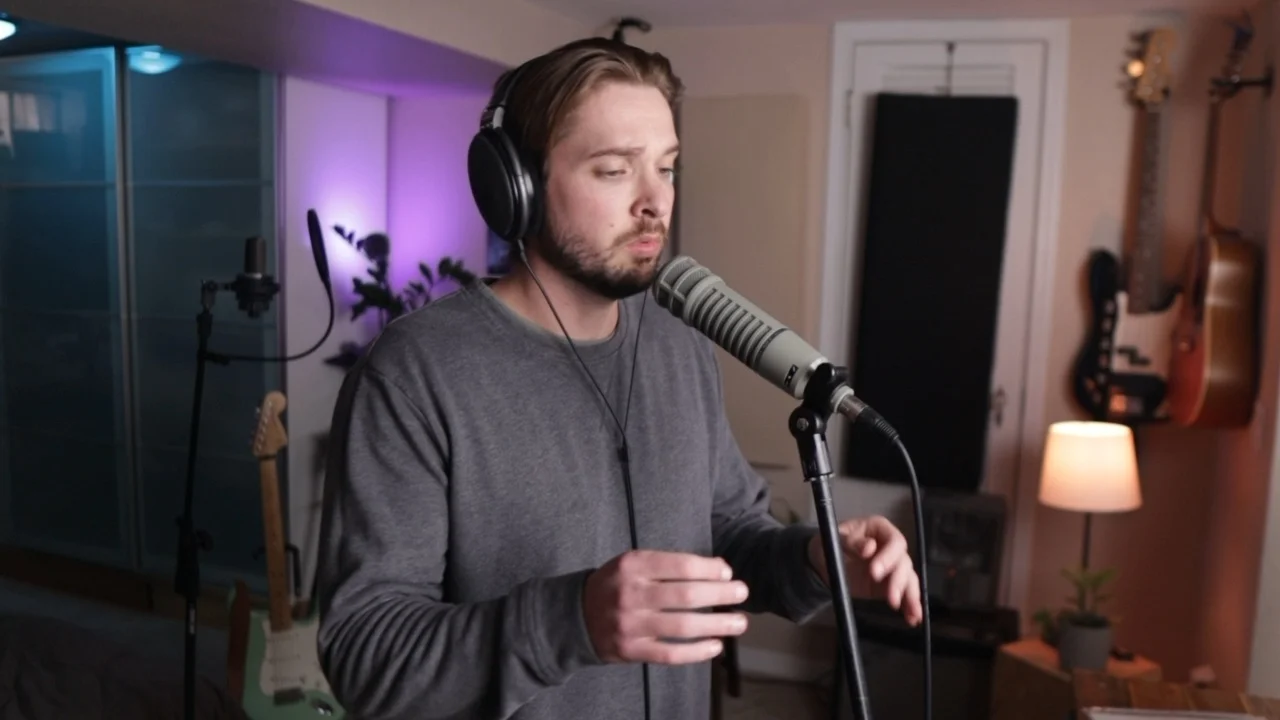
Why the WA-87 is my favorite:
- Classic Neumann sound at a fraction of the cost
- Most versatile mic on the entire list
- Perfect balance of character and clarity
- Takes any genre or vocal style
- Works great on instruments too
It’s not the most expensive mic I tested, but it’s the one I reach for most often. That vintage midrange character combined with modern clarity is exactly what I want in a vocal mic.
The WA-87 gives you that classic studio sound without the classic studio price tag.
The Real Truth About Vocal Microphones
Here’s what the marketing doesn’t tell you: every voice is different.
The most expensive microphone isn’t automatically the best choice for your voice. I’ve heard $100 mics sound better than $1,000 mics on certain vocalists.
What matters most:
- Room treatment (especially for condensers)
- Proper gain staging
- Mic technique
- Finding the right mic for your voice
Every microphone I tested is a totally viable choice. They’re all popular for good reasons. The key is understanding what each one brings to the table and matching that to your specific needs.
Budget-conscious? Start with the AT2020 or SM58.
Serious about vocals? The SM7B or WA-87 will serve you for years.
Need versatility? The C214 or WA-87 work on everything.
Got specific vocal characteristics? Match the mic’s frequency response to complement your voice.
The perfect microphone for your voice is out there. Sometimes it’s the most expensive option, sometimes it’s not. The only way to know for sure is to test and trust your ears.
Your voice deserves a microphone that makes it shine — not one that fights against it.
Want the full walkthrough? My course Pro Vocals in 60 Minutes takes you from raw recording to polished vocal, step by step.
About Mattie
Mattie is a music producer, songwriter, and educator specializing in Logic Pro and vocal production. With over 10 years of experience in the music industry, he's helped thousands of artists transform their home studio recordings into professional-quality tracks.
As the founder of Music By Mattie, he creates tutorials, presets, and courses that simplify complex production techniques. His mission is to make professional music production accessible to everyone, regardless of budget or experience level.