
The Fastest Way to Learn Music Production
Forget everything you know about learning music production. This 6-step method helps you focus on what matters, fix weak spots, and start finishing better...
Key Takeaways
- Pick one DAW and one genre to focus on deeply before expanding.
- Study tutorials and understand your core tools before jumping into production.
- Practice every single day rather than doing marathon sessions sporadically.
- Identify and deliberately work on your weakest production skills first.
- Finish every song you start to learn arrangement and momentum skills.
Forget everything you know about learning music production — this method will change your approach.
Over the past year, I’ve helped hundreds of producers take their tracks from amateur to professional. I’ve taken everything I learned from them and built a method for learning music production that will get you improving as fast as humanly possible.
This method works because it:
- shows you exactly what to focus on first
- helps you break through stagnation by identifying weak spots
- cuts the time it takes to create professional-quality music from home in half (if you actually follow it)
The method (quick summary)
Part of the Music Production & Tools series — For the full picture, read my complete music production guide.
- Narrow your scope
- Sharpen your axe
- Practice every day
- Work on weak spots
- Listen to music (actively)
- Finish your songs
Let’s get into it.
Point 1: Narrow Your Scope
Imagine you’re an aspiring hip hop artist looking for a producer.
Would you rather go to the producer who works with every genre… or the one who focuses specifically on hip hop?
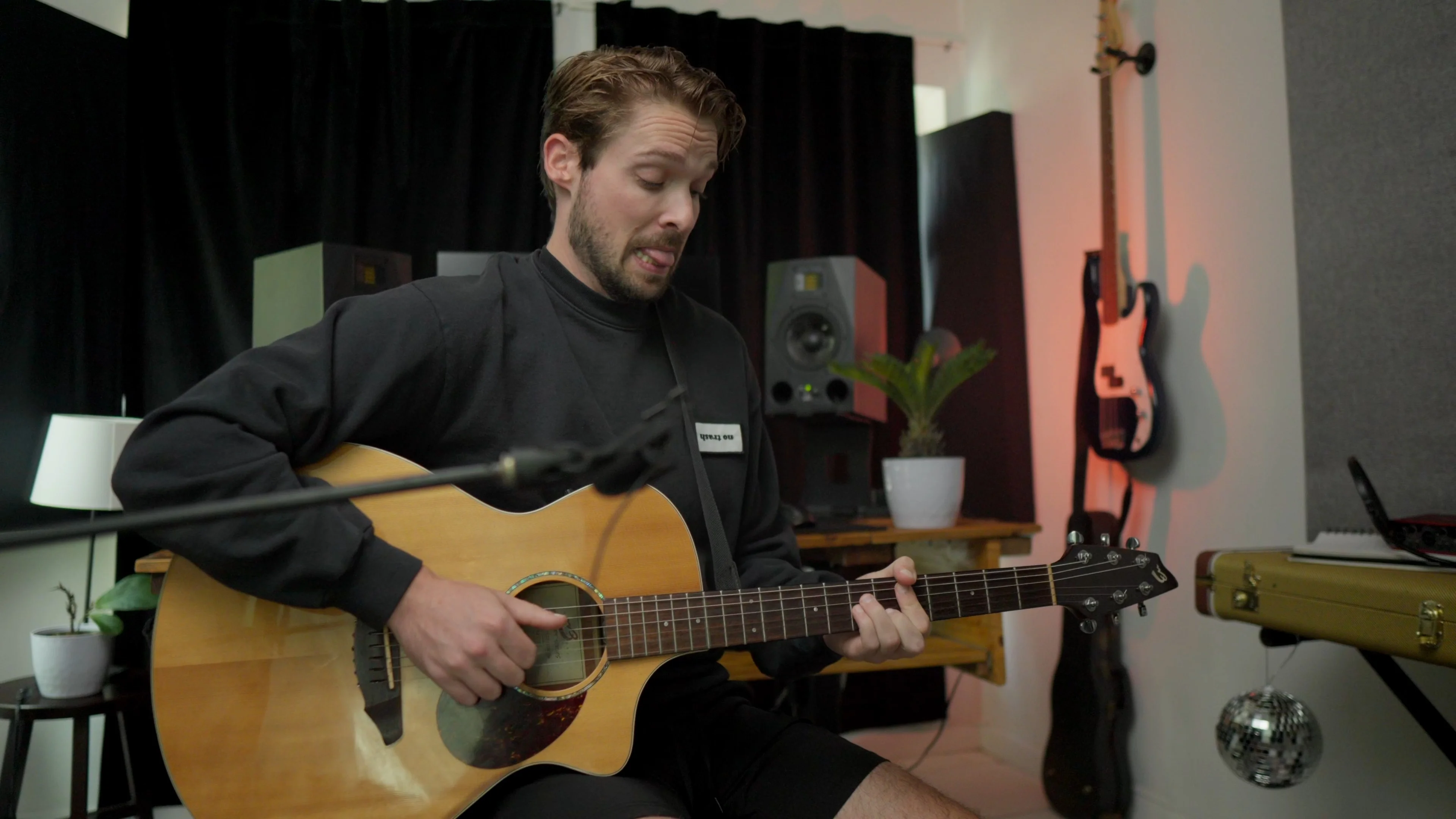
The producer who works with hip hop all the time will know the intricacies of the genre much better. Which brings me to the first point:
Narrow your scope.
Choose one DAW and one genre. (And no, the DAW you choose doesn’t matter.) Once you improve your skills in one genre, you can expand — but learning one genre deeply gives you better practice, more opportunities, and faster improvement.
Point 2: Sharpen Your Axe
Imagine someone trying to saw down a tree with a dull saw. They work hard but make no progress. A passerby asks, “Why not sharpen your saw?” The person replies, “I don’t have time!”
If you don’t make time to sharpen your blade, you won’t finish the job no matter how hard you work.
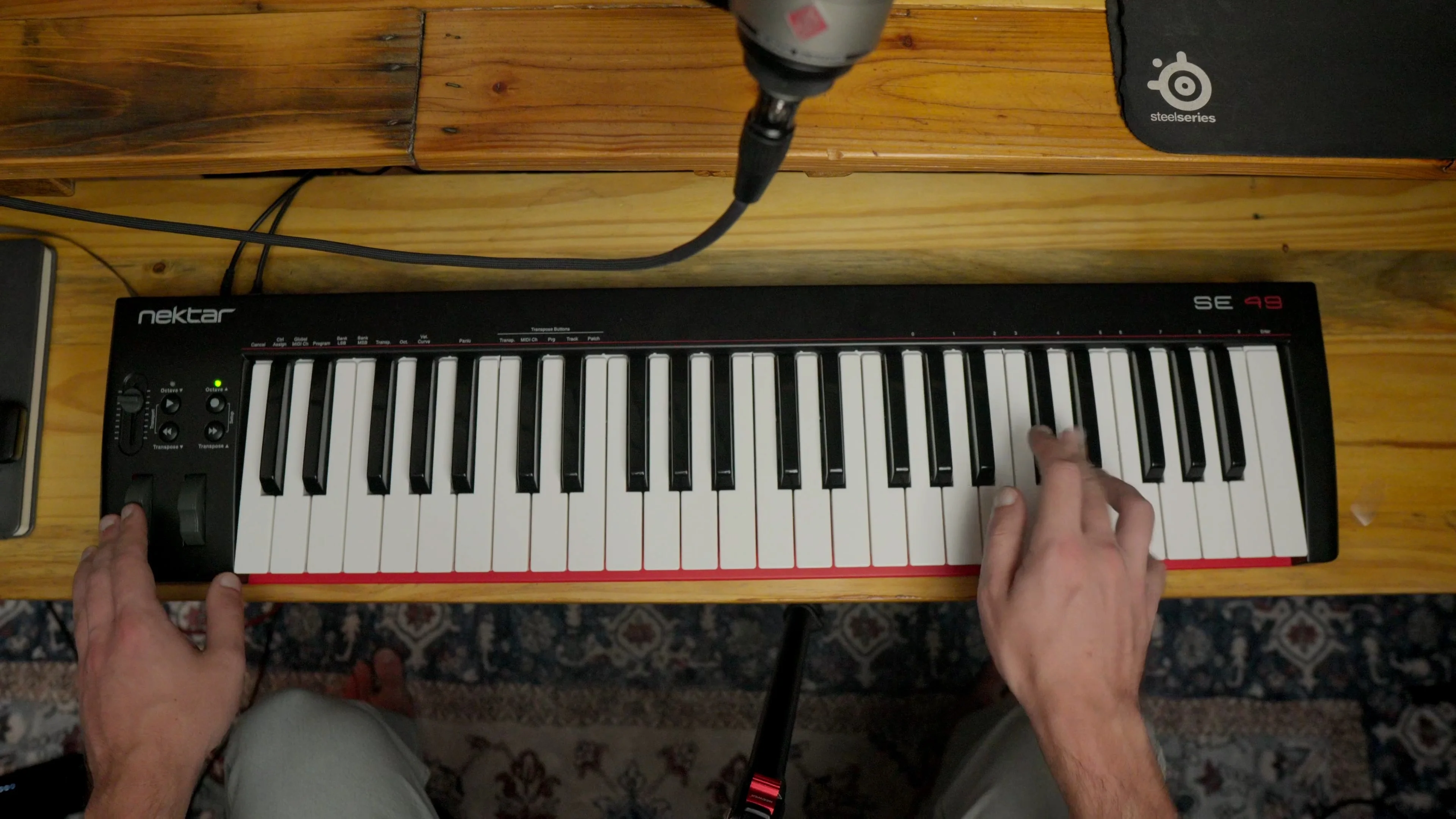
When I say sharpen your axe, I’m not talking about sanding guitars — I’m talking about preparing yourself before you ever touch the computer:
- watching tutorials
- reading books
- immersing yourself in the craft
- understanding your most important tools
For mixing, that might mean knowing EQ, compression, and reverb. Pros use the same tools — they just know how to use them far better.
Point 3: Practice Every Day
Sharpening the axe doesn’t chop the tree — you still have to do the work.
Let’s compare two producers: Consistent Connor and Sporadic Sam.
Consistent Connor produces for an hour every day after work. After a month, his progress starts compounding.
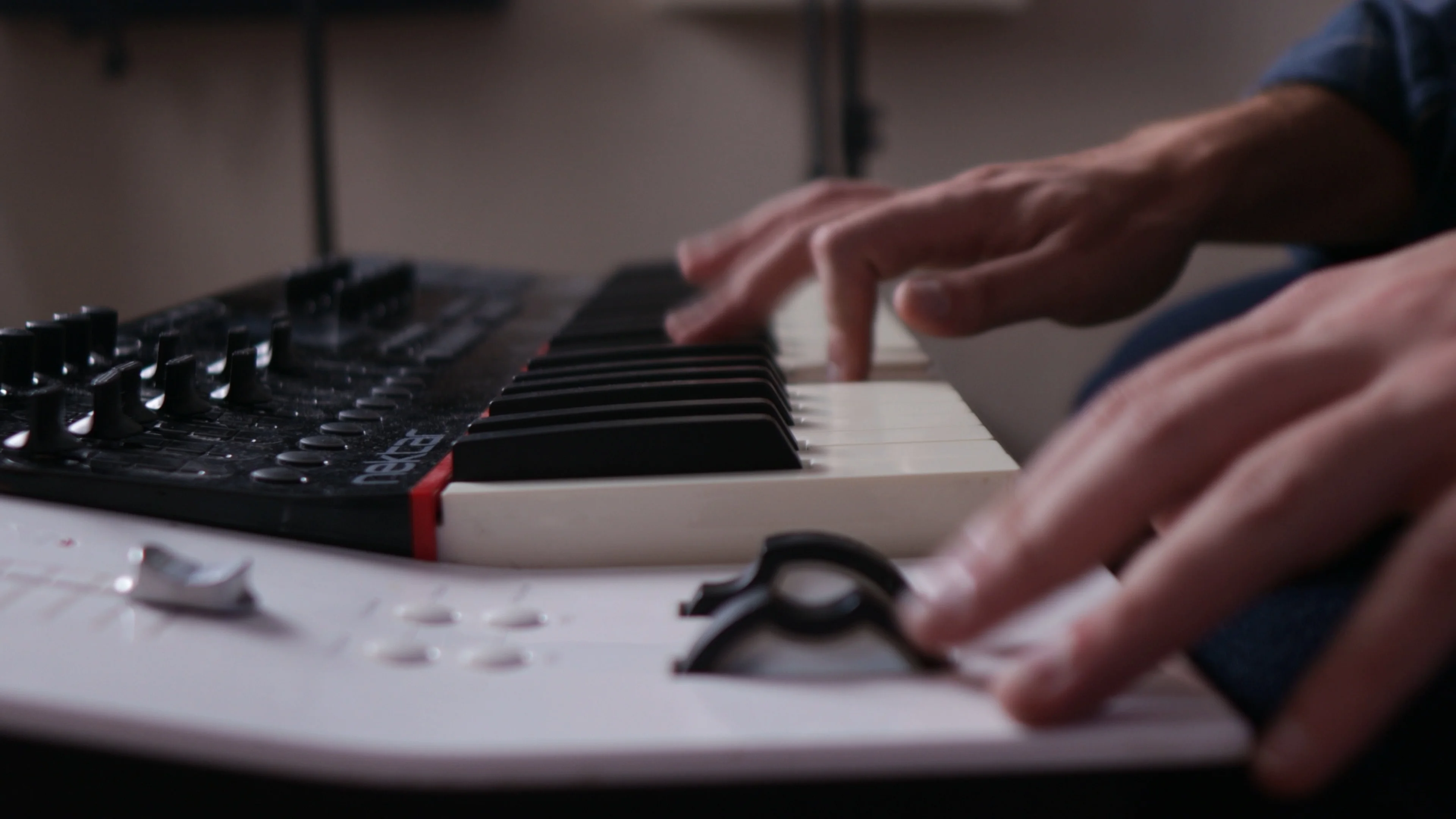
Sporadic Sam gets excited and produces for 7 hours on day 1… then only produces when he feels like it. Every time he takes multiple days off, his progress drops and he needs extra time just to get back to where he was.
After one month, Connor surpasses Sam. After three months — even if both have put in 90 total hours — Connor’s skills are way ahead because daily practice eliminates “forgetting gaps” and compounds learning.
Point 4: Work on Weak Spots
When I started, I focused almost all my attention on mixing. I watched mixing tutorials for hours. I re-mixed songs 20 times. But I didn’t really improve.
Why? Because mixing is only one piece of the puzzle.
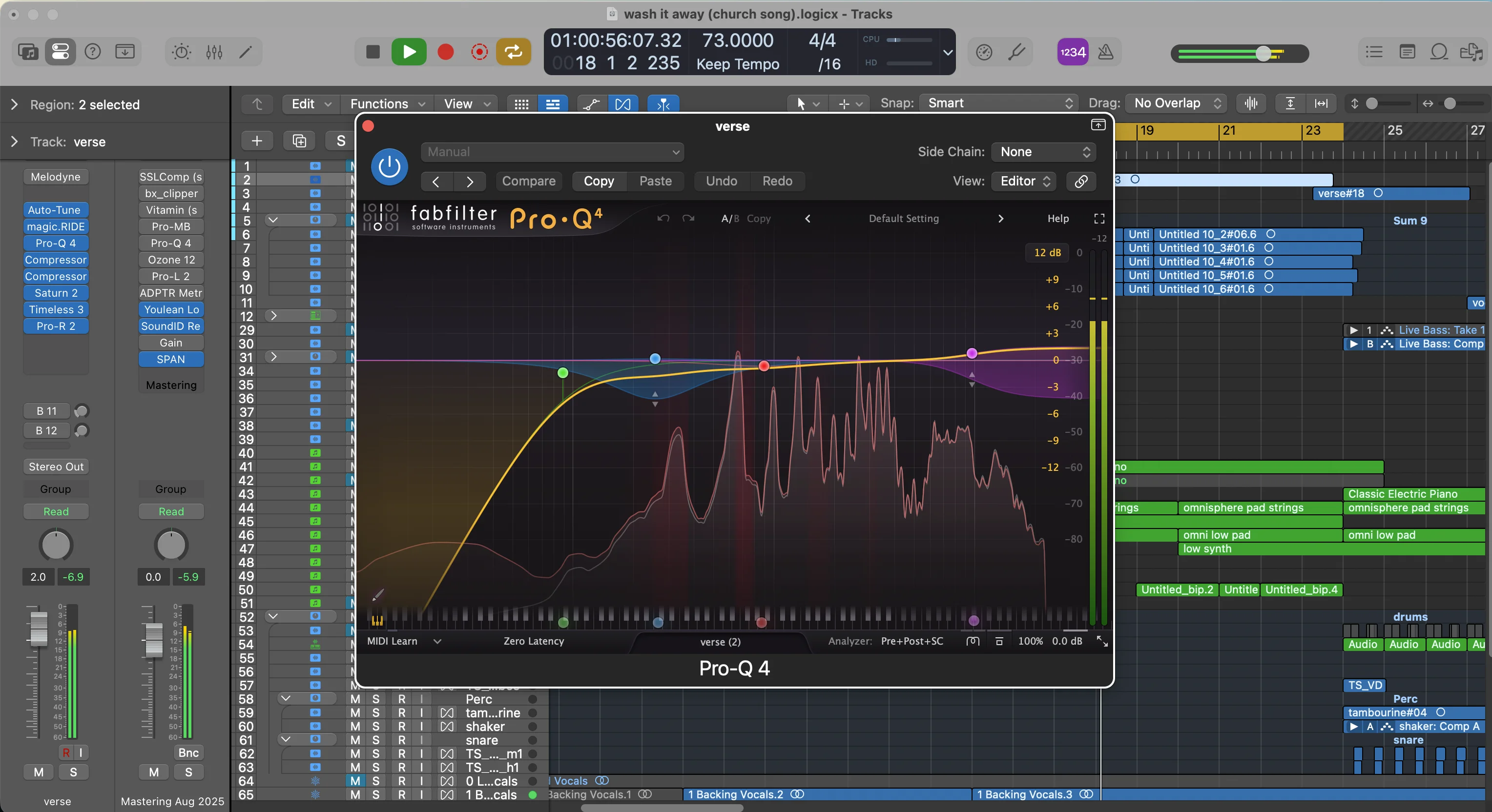
Amazing productions aren’t just mixing tricks. They use great arrangement, music theory, melodies, sound selection, recordings, lyrics, and more. For most producers, those other areas are the real weak spots — and that’s why progress feels slow.
Pick your weakest areas and train them:
- learn to record properly
- learn music theory
- learn to write stronger melodies
- learn arrangement
- improve sound selection (this one is huge)
If you can choose great source sounds that fit the song, everything else gets easier.
Point 5: Listen to Music (Actively)
This part isn’t about passive listening.
It’s about dissecting professional music using reference tracks.

Choose a reference track in the genre you’re making and ask:
- how loud are the vocals compared to the bass?
- how are the drums mixed?
- what chords are they using?
- what’s the arrangement like?
Reference tracks give you a real destination to aim for. They also spark ideas — you can emulate a vibe, a drum energy, or a melody approach and then twist it into something that’s yours.
Don’t steal parts directly. Re-mix it. Twist it. Make it your own.
Point 6: Finish Your Songs
I’m guilty of this: I’ve written enough half-baked ideas to fill a factory.
But if you never finish songs, you miss a bunch of skills:
- how to build momentum across a full arrangement
- how to transition sections
- how to keep interest over time
- how listeners perceive a song (not how producers do)
Finishing songs also builds a portfolio — something you can show clients, listeners, or even Grandpa Bob.
And eventually, if you keep finishing songs, they’ll start sounding indistinguishable from what you hear on the radio.
A free gift from us
To help you follow this method, I made a free 30 Day Production Fast-Track you can download and fill out for your own journey. It walks you through the entire method — plus a few extra fast-track secrets.
Download it here: Free Downloads
Want the full walkthrough? My course Pro Vocals in 60 Minutes takes you from raw recording to polished vocal, step by step.
About Mattie
Mattie is a music producer, songwriter, and educator specializing in Logic Pro and vocal production. With over 10 years of experience in the music industry, he's helped thousands of artists transform their home studio recordings into professional-quality tracks.
As the founder of Music By Mattie, he creates tutorials, presets, and courses that simplify complex production techniques. His mission is to make professional music production accessible to everyone, regardless of budget or experience level.